
Wednesday, May 8, 2013 - 01:54

Advanced Home Energy
is proud to sponsor

The Albany Arts & Green Festival
Sunday, May 19th ~ 11am - 3pm

Share this invitation

A Family-Friendly Event

  • Educational kids activities
  • Gourmet food trucks
  • Local green-living services and products
  • Live music and entertainment. 

Ride your bike to the event and get fee valet parking and a low-cost tune up, compliments of Albany Strollers & Rollers and the East Bay Bike Coalition. Or drop off your electronic "e-waste" to be recycled and pick up free compost on your way to the Lawrence Hall of Science booth located in the Kids Zone. 

There's something for everyone, we hope you'll join us!

Albany Arts & Green Festival
Sunday, May 19 ~ 11am - 3pm
Memorial Park, 1325 Portland Ave
Albany, CA 94706


Visit Our Booth!
Infuriatingly high energy bills?
Mysterious musty smells?
Ghostly cold spots?

Bring our building scientists your toughest home performance questions, PLUS find out:

Why does PG&E want to give you cash to use less energy?

What is the difference between spray and blown insulation?

Does solar make sense for your home?

...and much more!

Learn more about Advanced Home Energy and Building Science.


Enter to Win! 

Did you know standby loss - the energy used by appliances even when they're turned off - can constitue as much as 10% of your energy bill?

The Belkin Conserve Socket saves money and energy by automatically powering off peripherials when you turn off the primary appliance. 

Shut down your computer and instantly cut power to the monitor and printer.

Or switch on your TV and automatically turn on the cable box and DVR at the same time.

Sign up to win one of these simple, smart, energy saving powerstrips.

$30 value. Need not be present to win. Limit one entry per household.


Saturday, April 20, 2013 - 06:19

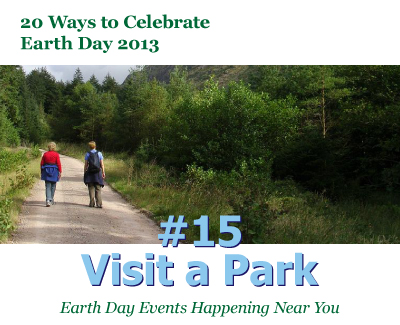
Our local and national parks are by far the best carbon storage we have. Do you remember when we talked about the benefits of trees yesterday? We mentioned that an acre of trees is capable of absorbing the equivilent carbon produced by driving your car 26,000 miles, about 2.6 tons of carbon.

There are approximately 33 million acres of forest in the state of California, enough to offset 1.5 million passenger cars each year. If you want to think about that in economic terms, to buy carbon offsets equivilent to what our parks already do, it would cost about $1.1 billion. 

Not that you need any reason to visit your local park other than it is a lovely day! 

Saturday, April 20, 2013 - 06:02
Home Owner Info


5 Reasons Planting a Tree Benefits the Earth

  1. Trees absorb CO2, removing and storing the carbon while releasing the oxygen back into the air. In one year, an acre of mature trees absorbs the amount of CO2 produced when you drive your car 26,000 miles.
  2. Trees provide oxygen. While removing CO2 from the atmosphere, one acre of mature trees can provide enough oxygen for 18 people in one year.
  3. Trees help cool urban landscapes. By shading our homes and streets, breaking up urban “heat islands” and releasing water vapor into the air through their leaves by up to 10°F. Think of the impact on your air conditioning bills.
  4. Shade from trees slows water evaporation from landscaped areas like lawns. Most newly planted trees need only fifteen gallons of water a week, while lawns can use upwards of 100 gallons.
  5. Trees prevent erosion and water pollution. Their roots hold down soil and act as a filter for pollutants.


Thursday, April 18, 2013 - 05:17
Home Owner Info

Last week we featured a blog post on getting rid of your toxic cleaning products and finding more affordable, earth friendly alternatives. Now that you've had a chance to clear your cleaning cabinet, you're probably excited to try out your new cleaners! If you're in the spring cleaning mood, be sure to read our 5 Spring Cleaning Tips for lower energy bills and a healthier home.

Residential energy use accounts for over 20% of our nation's energy consumption and making small changes in our homes can have a major impact on our bills and our environmental impact. Add these easy steps your spring cleaning routine and enjoy a healthier, more comfortable summer.

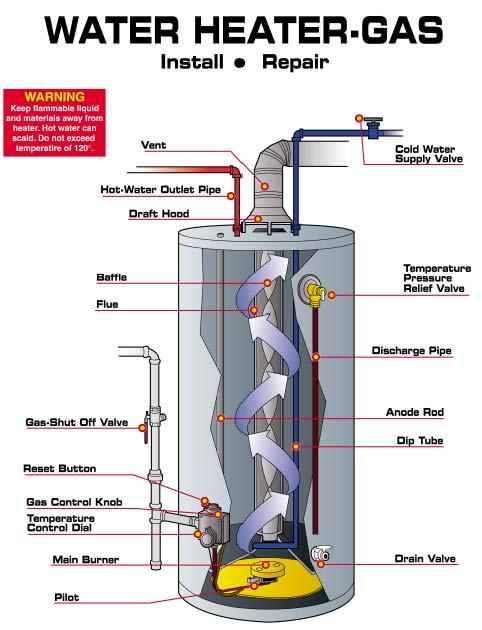
First turn the heat off before doing any furnace maintenance. No point in having the unit coming roaring on while you’re working on it.

  1. Change/clean the furnace filter. If you already took our advice and swapped out your filter last fall prior to the cold season, then a quick vacuum may suffice. And now that you’re in the basement and armed with your shopvac…
  2. Clean the interior of the furnace. Open the front of the furnace and vacuum up the dust, debris, and dander that may have accumulated there. Remember to give the burners a once over too. Not only will this improve the performance of your furnace, now all that yucky stuff that’s built up won’t be making its way back into your home.
  3. Clean the duct registers. Many seasonal allergy sufferers know that reducing dust in the home is key to relieving their symptoms. As your forced air HVAC system circulates air, dust accumulates in the ducts. If you can’t have the ducts fully cleaned right now, taking the time to remove the vent covers and give them a good dusting will do wonders.
  4. As the weather warms, refrigerators and AC units have to work harder. Give them a hand by cleaning around the AC condenser unit and dusting the coils normally found under the fridge behind a kickplate. The job of the condenser and coils are to move heat away from the unit, but dust, dirt, and cobwebs can reduce air flow and efficiency. A quick clean can increase efficiency by up to 25%.
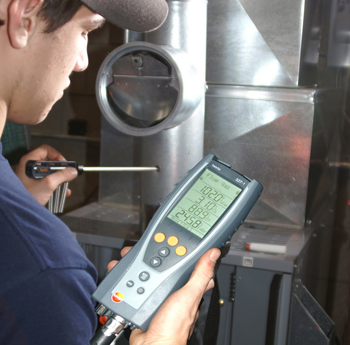
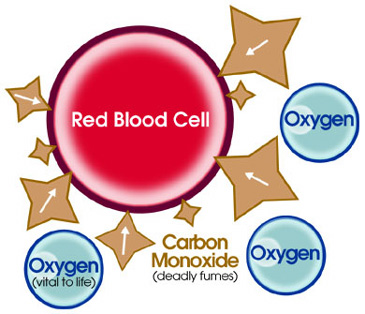
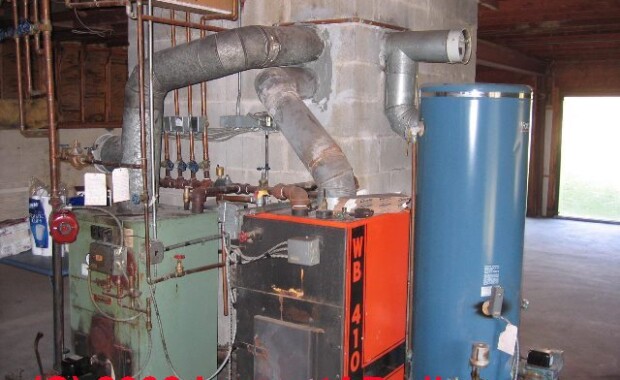
  5. Planning on more grilling and get-togethers? Remember, a crowded home increases the opportunity for combustion safety issues. Check your smoke and carbon monoxide alarms, replace batteries as necessary.


Thursday, April 18, 2013 - 04:37

One of the best things about Earth Day is that it takes place as the days get longer and the weather is warmer. It's the perfect season for a sweet, icy treat! Why not give this fun, colorful Flower Pot Sundae a try?


What you’ll need:

  • 3 small flower pots
  • 3 plastic straws
  • one tub of any flavored ice cream (chocolate would be the most realistic, but any flavor is fine.)
  • ½ bag chocolate chips and/or sprinkles (your seeds)
  • 1/2 box chocolate cookies, 2 thick slices of cake, or 3 brownies (your dirt)
  • 3 fresh edible flowers and 6 stemmed leaves (recommend pansies)
  • 6 paper towels

  How to make it:

  1. Wash out your flower pot and cover the drain hole at the bottom with the cookie half.
  2. Crush up the cake or brownies and fill the pot with the pieces, leaving ¼ cup to the side.
  3. Soften the ice-cream and mix in chocolate chips and/or sprinkles.
  4. Pack the ice-cream into the pot until approximately ½ inch from the top.
  5. Slide the plastic straw through the middle of the potted ice-cream and cut the top so that only ½ inch sticks out.
  6. Let your dessert harden in the freezer for about fifteen minutes.
  7. Cover the top with a layer of the remaining cake or brownie pieces and insert a flower into the straw along with a couple leaves.
  8. Enjoy!

Recipe by Esther from the Smarty Had a Party blog.

Monday, April 15, 2013 - 22:50
Home Owner Info
 
A few days ago we posted 5 Kid Friendly Recycled Crafts. Today we have 5 Adult Friendly Recycled Crafts. This isn't to say kids would not enjoy them as well, but most of these involve heat and/or sharp objects, so please use your judgement.
 
Solar powered night lights using mason jars and solar garden lights.


Self-watering planters using 2-liter bottles


Candles out of old crayons and glass jars


Printer paper tray out of old CDs/DVDs


A coffee mug and sleeve out of a coffee cup


Table lamps our of liquor bottles


Sunday, April 14, 2013 - 23:31
Earth Day is a day of celebration, reflection, and also service. Joining your neighbors in a clean-up or other event is a great way to connect with your community and foster as sense of stewardship while getting outdoors to enjoy the sunshine.

There are events happening all over the Bay Area. Just type your zip code into the EPA's Earth Day events page or check out Save The Bay's site to find volunteer opportunities. 

Saturday, April 13, 2013 - 04:07

Although Earth Hour was back in March and won’t happen again for another year, there’s no reason you and your family can’t celebrate Earth Day with an Earth Hour of your own!

Earth Hour is a simple concept: Turn off the lights, forgo the digital media, and spend some time together to think about our impact on the planet and enjoyr eachother's company. Our lives are so full of technology these days that even an hour without checking our phones or computers may seem daunting, especially for the younger members of the family. So, here are a few suggestions for what to do instead:

  1. Put on a shadow puppet show.
  2. Play flashlight tag or glow stick hide and seek.
  3. Tell ghost stories.
  4. Roast marshmallows. Don’t have a firepit or barbeque? Candles work great too.
  5. Dance. Sparklers optional, but a definite plus.


Friday, April 12, 2013 - 04:19

Household cleaners can contain some pretty nasty stuff. Here are three common household cleaners, why you should ditch the toxic stuff, and how to make your own, earth-friendly versions.


Laundry Detergent

Most household laundry detergents contain synthetic surfactants, rather than soap. For thousands of years, we used naturally derived soaps to do most of our cleaning. In the last 40-50 years synthetic surfactants have grew in popularity because they leave less residue and help soften hard water.

However, synthetic surfactants are derived from a petroleum by-product, so they are hardly renewable. Unlike soap, synthetic surfactants are not biodegradable and once they enter our streams and wetlands, they stay there. Synthetic surfactants have also been linked to algae blooms that lead to oxygen starved water ecosystems.

Make Your Own Laundry Detergent

Ingredients:
- 2 cups Washing Soda
- 2 cups Borax
- 1 bar of natural soap, grated.


Hand Soap

Originally developed as a surgical sterilizer, triclosan can now be found in almost anything bearing the label “anti-bacterial”. Triclosan does not break down in the environment and, although wastewater treatment is able to remove significant amounts, it is still widely detected in lakes, rivers, and sea water.  

Bioaccumulation of triclosan has been found in aquatic animals and the Canadian Medical Association (CMA) has been calling for a ban of the household use of triclosan since 2009. According to the CDC the concentration of triclosan found in individuals within the US population has increased by 42% between 2004 and 2010.

While the potential health risks to humans is still being studied, research suggests its use causes endocrine disruption in animals and may contribute to antibiotic resistant bacteria. Since the “FDA does not have evidence that triclosan added to antibacterial soaps and body washes provides extra health benefits over soap and water,” why not try a simpler, cheaper hand soap?

Make Your Own Liquid Hand Soap

Ingredients:
-         1 bar of natural hand soap
-         Glycerin
-         1 Gallon water


Thursday, April 11, 2013 - 00:43


The concept of an ecological footprint as a measure of human demand on Earth’s ecosystems was first introduced in the early 1990s. It measures our demand for natural resources against the planet’s ability to regenerate. This calculation is expressed as the amount of productive land and sea needed to support the demand. For example, in 2007 the US ecological footprint 8 hectares per person or 5 Earths if everyone on the planet lived the same way.

As the topic of global climate change grew in prominence, the Carbon Footprint measurement was also developed. This is a measurement of how much carbon dioxide and methane is produced by an individual or group.

Calculating your own footprint can be a very enlightening experience. Seeing how you measure up to the national average is an easy way to see where your easiest improvements might lie.


Ecological Footprint

The Earth Day Network site has an animated calculator that makes discovering your ecological footprint a fun, interactive experience. Why not get the whole family involved?


Carbon Footprint

The Nature Conservancy has a quick, but thorough carbon footprint calculator. The results will also show how you compare nationally and globally.